


Plantar Fasciitis: Why It Hurts, Why It Lingers, and What Actually Helps

If you've ever dealt with plantar fasciitis, you know how frustrating it can be. You're certainly not alone. Plantar fasciitis is the most common cause of heel pain, accounting for nearly 80% of chronic heel pain.
Some groups are more likely to develop it, including:
Runners and athletes who do repetitive running and jumping
People who spend long hours standing at work
Individuals with obesity
Adults between the ages of 40-60, particularly women
Notice the word chronic. In healthcare, chronic typically refers to symptoms lasting longer than expected. In this case, more than 3-6 months. Unfortunately, many people with plantar fasciitis fall into this category, often because they didn't know how to manage it early on.
The biggest challenge? It's incredibly difficult to completely rest your foot. Every step places stress through the injured tissue, making it easy for the irritation to continue if it isn't managed appropriately.
So what Is Plantar Fasciitis?

The plantar fascia is a thick band of connective tissue that runs from your heel to your toes. It plays a critical role in supporting your arch and absorbing forces every time you walk, run, or jump.
Although plantar fasciitis is the most common cause of heel pain, it isn't the only one. That's why it's important to be evaluated by a healthcare provider. Several other conditions can mimic plantar fasciitis and require slightly different treatment.
Some common examples include:
Flexor Hallucis Longus (FHL) tendinopathy: This tendon runs alongside the plantar fascia and often becomes irritated at the same time. Sometimes the tendon is the primary problem rather than the fascia itself.
Tarsal Tunnel Syndrome: Irritation of the nerves that travel along the inside of the ankle can create pain that feels very similar to plantar fasciitis.
Heel Spurs: Extra bone growth can develop over time due to prolonged stress at the heel. Interestingly, heel spurs are often a result of long-term plantar fascia irritation rather than the primary cause of pain.
Pain referred from the low back: Irritation of the L5-S1 nerve roots can cause heel pain, meaning the source of the problem is actually the spine, not the foot.
This isn't a complete list, but it highlights an important point: not every heel pain is plantar fasciitis, and not every case of plantar fasciitis should be treated the same way.
One person may have weak hips and limited big toe mobility, leading to increased stress on the plantar fascia. Another may have calf tightness, restricted ankle mobility, and weakness in the posterior tibialis muscle. The diagnosis may be the same, but the treatment plan shouldn't be identical.
My General Treatment Approach
While every patient is different, these are my "go-to" strategies that help most people before addressing their individual movement deficits.
Phase 1: Calm the Tissue Down
The first priority is reducing irritation.
Many cases become chronic because people continue pushing through the pain without giving the tissue a chance to settle down. Since avoiding weight-bearing isn't realistic, we need to reduce the amount of stress placed on the fascia.
Protect the Foot
Wear supportive shoes whenever possible—especially:
First thing in the morning
After sitting longer than 20 minutes
Around the house (avoid going barefoot)
For newer cases, supportive shoes such as Brooks or New Balance often work well because they provide good arch support. Over-the-counter arch supports can also be helpful.
If your pain has been present for several weeks or your first steps in the morning are extremely painful, my favorite recommendation is Oofos footwear. Their sandals, in particular, provide excellent cushioning that often helps calm irritated heel pain.
Soft Tissue Work
The plantar fascia is closely connected to several structures throughout the lower leg.
Your calf muscles attach into the Achilles tendon, which continues into the plantar fascia. On the opposite end, the Flexor Hallucis Longus helps control the big toe and also influences tension through the arch.
If these tissues become tight or overworked, they increase stress on the plantar fascia.
Rather than aggressively stretching an already irritated tissue, I usually recommend techniques that improve blood flow and reduce muscle tension, including:
Massage
Instrument-assisted soft tissue work (foam roller, massage gun, etc)
Dry needling
Cupping
The Morning Routine That Can Make a Huge Difference
If you've had plantar fasciitis, you probably know exactly what I'm talking about—the first few steps in the morning are often the worst.
While you sleep (or even after sitting for a while), the tissue stiffens. That first step suddenly places your full body weight through the tightened fascia, creating additional irritation.
A simple 90-second routine before standing can significantly reduce that stress.
Before taking your first step:
Step 1: Massage the arch for 30 seconds.
Step 2: Pull your ankle upward while continuing to massage the arch for 30 seconds.
Step 3: Keep your ankle pulled up, extend the big toe, and continue massaging for another 30 seconds.

That's only 90 seconds, but it can make a noticeable difference in morning pain.
Phase 2: Progressive Loading
Once symptoms begin to calm down, it's time to rebuild the tissue.
This is arguably the most important—and most overlooked—part of rehabilitation.
The plantar fascia became irritated because the load placed through it exceeded its current capacity. The solution isn't to avoid loading forever. It's to gradually improve its ability to tolerate load.
The key word is progressive.
Jumping immediately into calf raises, plyometrics, or running usually makes symptoms worse.
Instead, loading should increase gradually. We are talking months, not weeks.

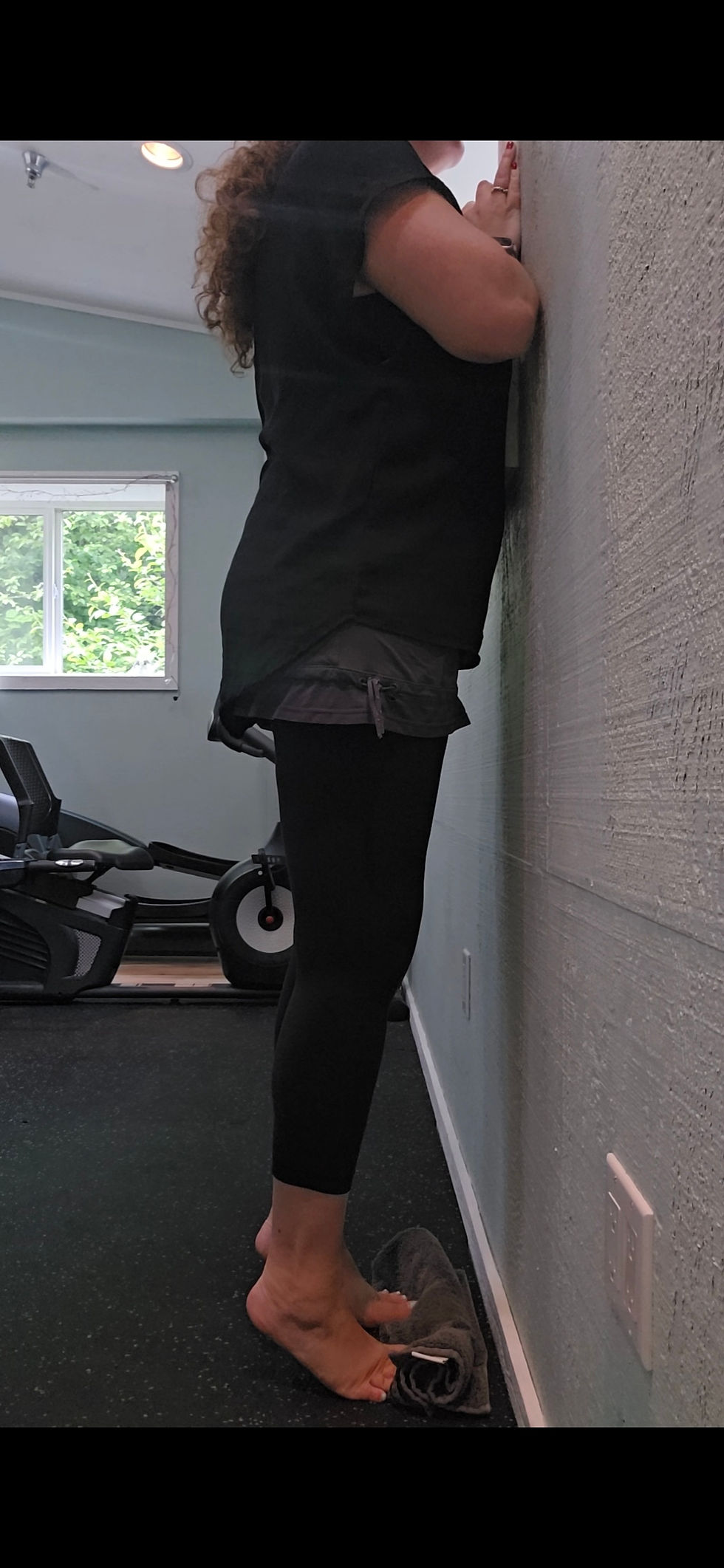
There isn't one perfect exercise program for everyone because everyone's goals, mechanics, and impairments are different. However, many successful plantar fasciitis programs closely resemble progressive Achilles tendon loading programs, with one important modification: placing the big toe into extension to increase tension through the plantar fascia. see this video for more info, as well as the file below: https://youtube.com/shorts/u_F1kaK9URk

Additional Exercises That Often Help
Depending on the individual, I frequently include:

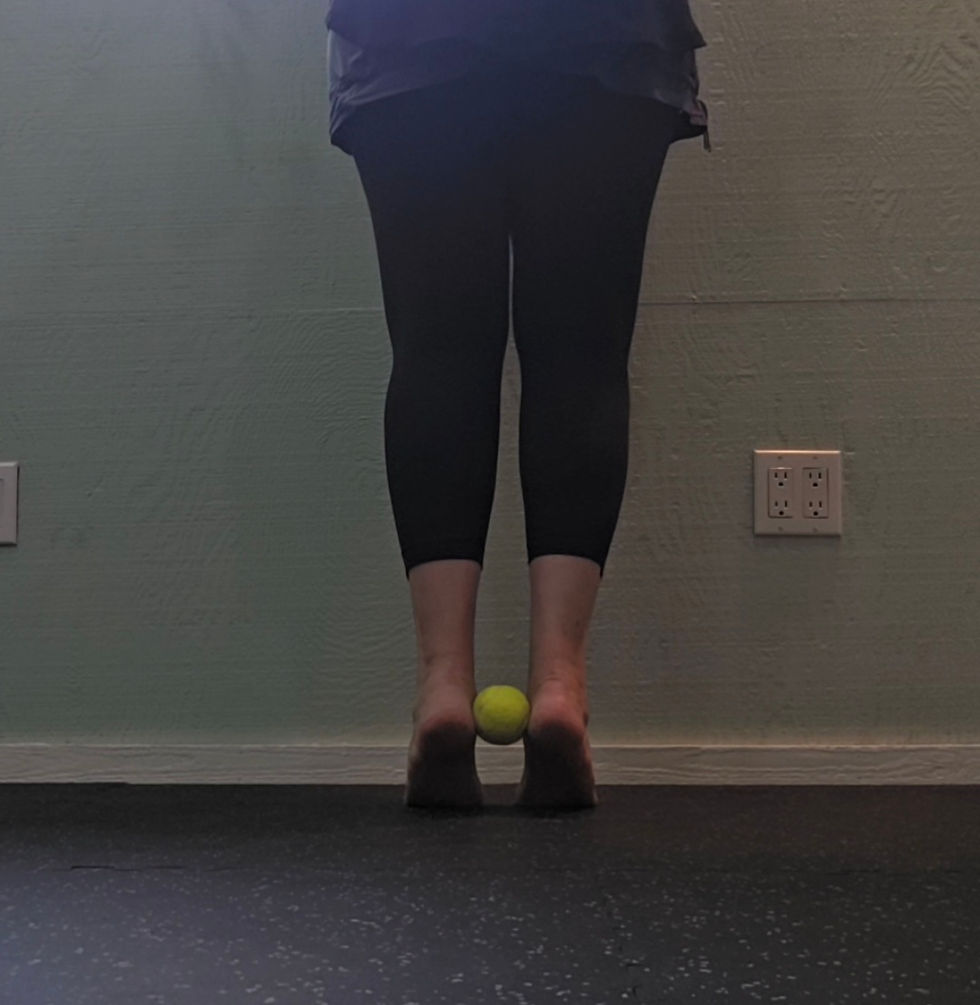
Retraining drills such as using a ball between the heels to avoid offloading laterally
Balance and proprioception training
Toe yoga and intrinsic foot strengthening: https://youtube.com/shorts/EZZP64UTSzk
Foot and ankle mobility exercises (think rolling ball, standing on different surfaces, etc)
Self ankle mobilizations: https://youtu.be/9P3kwcG-AKo
Posterior chain neural mobility: https://youtube.com/shorts/eJtcrsbtBWw
Hip and lower extremity strengthening when appropriate
My Go-To Treatments Outside of Exercise
Dry Needling
If symptoms have been present for less than three months, my go to is dry needling to the calf muscles, and occasionally the Flexor Hallucis Longus. This can significantly reduce muscle tension and improve symptoms and make the above exercises more tolerable.
Shockwave Therapy
If symptoms have persisted longer than three months, Shockwave Therapy can be a game changer.
Shockwave is a non-invasive treatment that delivers acoustic pressure waves into the injured tissue. These waves stimulate healing by improving blood flow, activating connective tissue, and encouraging tissue remodeling.

Research has shown excellent results for chronic plantar fasciitis, particularly in cases that have not responded well to traditional treatment.
Other Common Questions
Should I Ice It?
If ice makes it feel better, use it.
Will it speed up healing? Probably not, but if it helps manage pain and allows you to stay active, it's a perfectly reasonable tool and 1 I still use despite all the hype these days.
Do I Need Orthotics Forever?
Usually not.
If you have a structural foot shape that consistently places excessive stress on the plantar fascia (such as a forefoot varus or dorsiflexed first ray), long-term orthotics may be beneficial, otherwise, I like to use them as support while you strengthen the tissues
Final Thoughts
Plantar fasciitis can be stubborn, but it doesn't have to become a lifelong problem.
The key is identifying why your plantar fascia became overloaded in the first place. While reducing pain is important, long-term success comes from improving your body's ability to handle the demands you place on it.
Every case is unique, which is why a thorough evaluation can make such a difference. The sooner the true contributing factors are identified, the sooner you can get back to walking, running, hiking, or simply getting out of bed without dreading those first few steps.


Comments